Other Nerve Compressions
Expert treatment for rare and complex entrapment syndromes
Compressions of the Median and Radial Nerves
While carpal and cubital tunnel syndromes are widely known, the major arm nerves can also be entrapped further up in the forearm or along their superficial course. Because these rare syndromes often present without obvious sensory symptoms like tingling, they are frequently recognized late or not at all.
- Anterior Interosseous Syndrome (Median Nerve): Compression of the deep motor branch of the median nerve in the upper forearm. Since it is a purely motor nerve, patients do not experience numbness but suffer from massive weakness in the pinch grip and lose the ability to actively flex the tips of the thumb and index finger.
- Posterior Interosseous Syndrome (Radial Nerve): Often referred to as supinator syndrome. It involves the entrapment of a deep motor branch of the radial nerve. This leads to progressive weakness or paralysis when extending the fingers and wrist.
- Wartenberg's Syndrome (Superficial Radial Nerve): Compression of the purely sensory branch of the radial nerve, often where it surfaces on the forearm. This condition causes local pain, tingling, and numbness over the back of the hand and thumb.
If conservative therapies or rest do not resolve the weakness or pain, we perform a microsurgical decompression to carefully free the nerve from connective tissue bands or tight muscle edges.
Ulnar Nerve Compression (Guyon's Canal Syndrome)
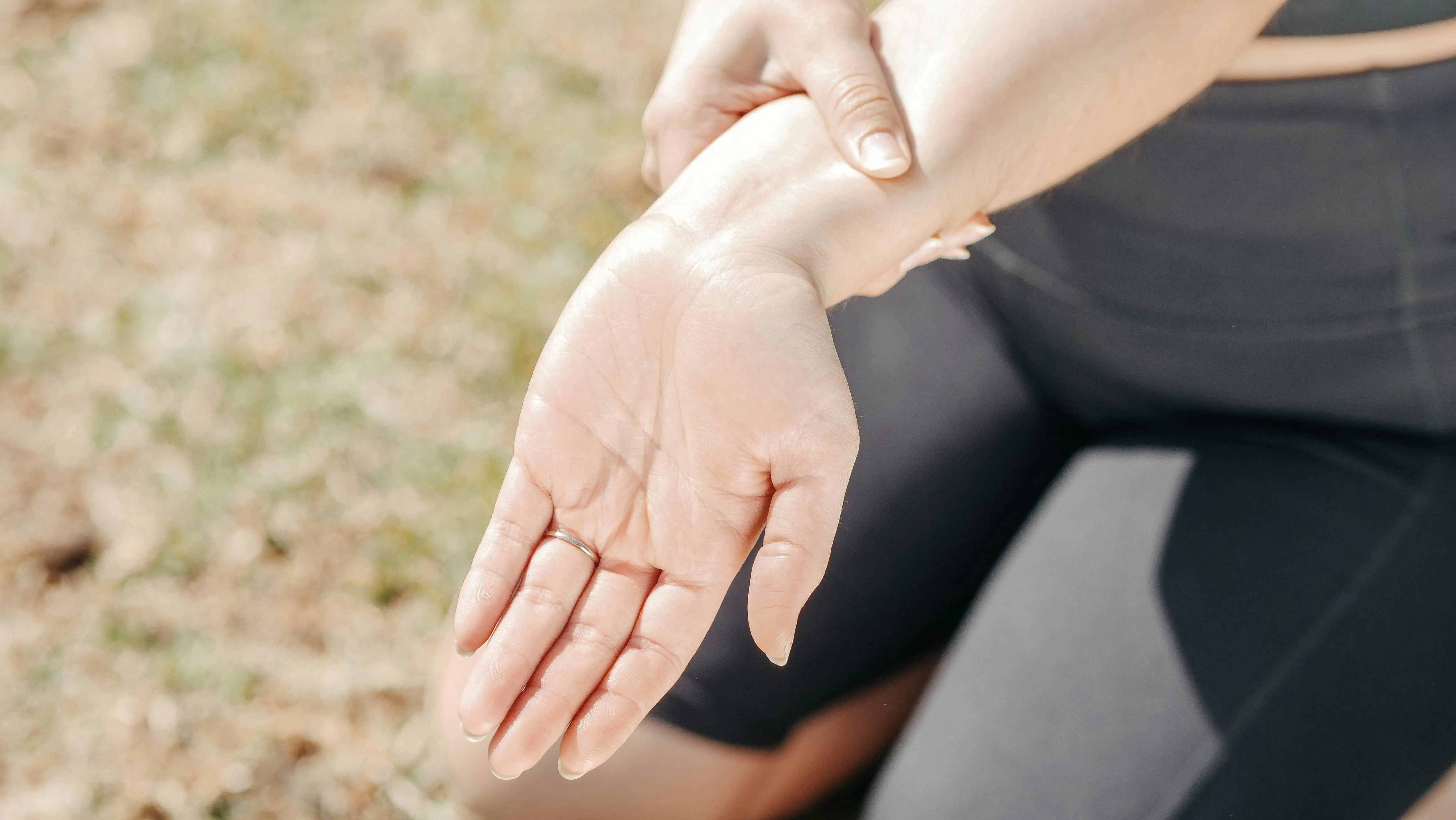
Guyon's canal syndrome is the ulnar-sided counterpart to carpal tunnel syndrome. It occurs when the ulnar nerve is compressed as it passes through a narrow fibro-osseous canal (Guyon's canal) at the base of the wrist.
Typically, patients suffer from increasing or recurring wrist pain that radiates into the ulnar edge of the hand (little and ring fingers). Motor deficits can also occur, leading to noticeable weakness of the small hand muscles and, in later stages, a claw deformity of the little finger.
A common cause of this constriction is the presence of small cysts (ganglions) or lipomas in the wrist. If imaging confirms a mass or if symptoms progress despite conservative treatment, we surgically open the canal to completely relieve the pressure on the ulnar nerve.

Nerve Compressions of the Lower Extremity
Peripheral nerve compressions are not limited to the arms and hands. The nerves in the legs and feet also pass through similarly complex anatomical bottlenecks and are highly susceptible to pressure damage.
- Peroneal Nerve Compression (Fibular Nerve): This nerve is very frequently entrapped directly at the fibular head, just below the knee. Due to its superficial location, external pressure can lead to rapid paralysis of the foot elevators (foot drop or "steppage gait").
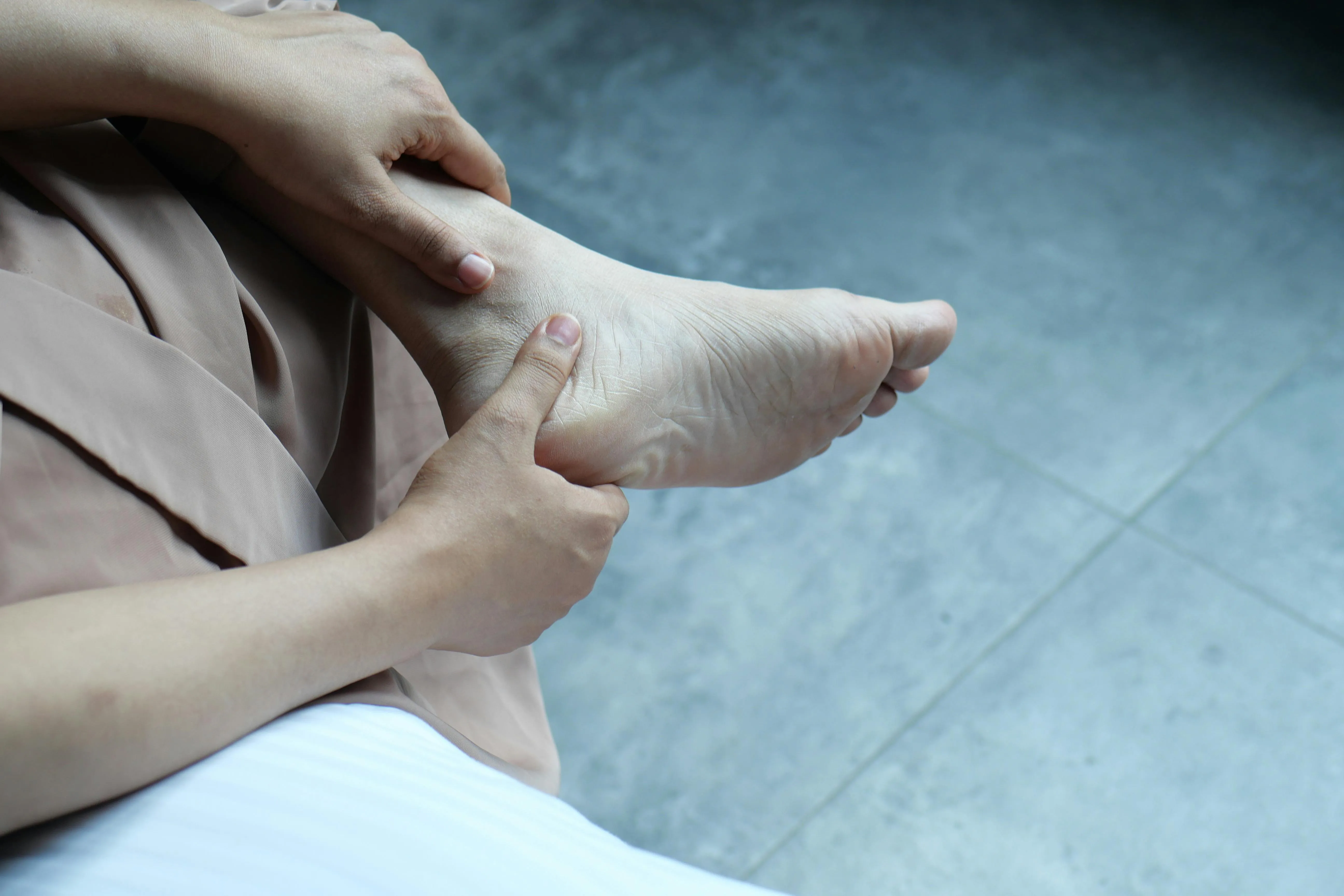
- Tarsal Tunnel Syndrome (Tibial Nerve): This involves the entrapment of the tibial nerve in a fibro-osseous tunnel on the inside of the ankle. It causes burning pain and tingling on the inside of the foot and heel, which worsen with weight-bearing. Surgical decompression of the tarsal tunnel can be particularly beneficial for patients with diabetes, as relieving this local pressure can significantly reduce neuropathic pain and help restore lost sensation.
For foot drop that does not quickly resolve, surgical decompression at the knee is crucial. If the paralysis is already advanced or permanent, motor replacement surgeries (such as tendon transfers) can restore stability and function to the foot.
Frequently Asked Questions
Why do rare peripheral nerve compressions occur?
Due to their long course through the body, peripheral nerves are particularly susceptible to local compressions at complex anatomical bottlenecks, such as between muscles, under tight ligaments, or at fibrous fascial edges. Recurring strain, anatomical variations, or local pressure from benign cysts (ganglions) are common triggers.
What is the "bottle sign" in median nerve compression?
When the deep motor branch of the median nerve (anterior interosseous nerve) is entrapped in the forearm, it leads to severe weakness of the thumb and index finger flexor muscles. As a result, the patient is no longer able to form a firm "O" (pinch grip). Clinically, this is evident when the patient can no longer grip a bottle properly—the so-called bottle sign.
Does "cyclist's palsy" have something to do with Guyon's canal syndrome?
Yes. Guyon's canal syndrome describes the compression of the ulnar nerve at the base of the wrist. Continuous, repetitive pressure on the base of the hand—such as resting heavily on bicycle handlebars—is a very common cause. In cases of pure pressure lesions, symptoms often resolve on their own once the mechanical stress is removed.
How does surgical decompression help diabetics with foot pain?
Patients with diabetes often suffer from diabetic neuropathy, making their peripheral nerves highly sensitive to swelling and pressure. Surgical release (decompression) of the tibial nerve in the tarsal tunnel can relieve this local pressure, which is often very helpful in significantly reducing severe neuropathic pain and restoring lost sensation in the foot.