Surgical Spasticity Treatment
Restoring balance and quality of life in the upper extremity
Understanding Spasticity
Damage to the central nervous system—such as from a stroke, cerebral palsy, traumatic brain injury, or multiple sclerosis—can lead to spastic paralysis. This condition is characterized by an involuntary, velocity-dependent increase in muscle tone. Over time, this constant tension leads to severe joint stiffness, shortened tendons, and painful deformities like a clenched fist or a "thumb-in-palm" deformity.
Dr. Megerle is one of the most experienced surgeons in Germany in the field of surgical spasticity treatment. As a recognized expert, he pursues a highly tailored, multimodal approach to treating the spastic upper extremity.
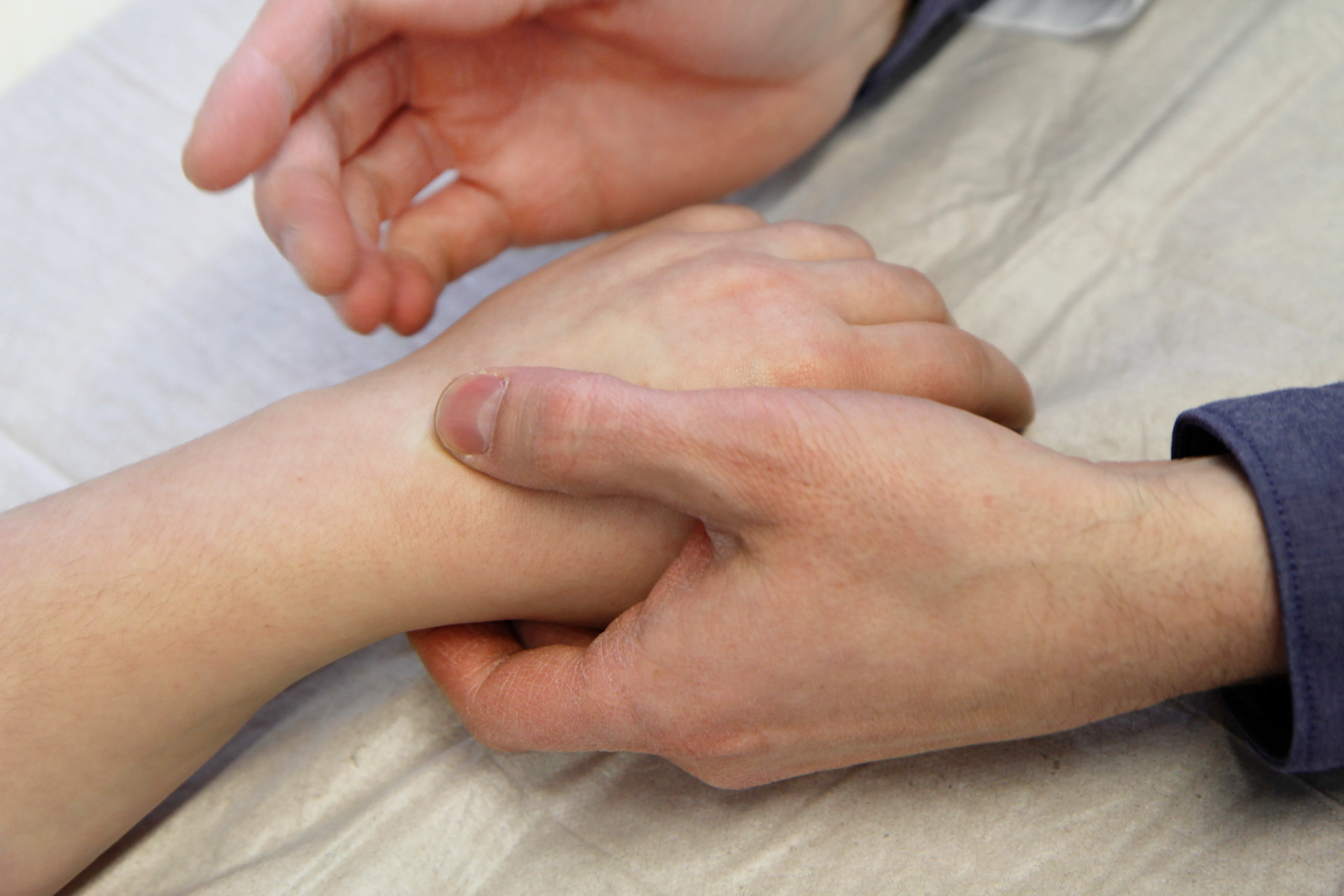
Comprehensive Surgical Solutions
When conservative therapies (such as physical therapy and Botox) reach their limits, surgery can improve the function and comfort of the extremity. As an experienced reconstructive hand surgeon, Dr. Megerle does not rely on a single technique, but utilizes the entire spectrum of spasticity surgery:
- Hyperselective Neurectomy (HSN): By selectively reducing nerve impulses, the spastic cramp is drastically reduced while preserving the actual function.
- Tendon Transfers and Muscle Releases: If muscles and tendons have already permanently shortened (contracture), we perform precise tendon lengthenings and muscle releases, or strategically transfer tendons to restore mechanical balance.
- Joint Operations: For severe, rigid contractures that can no longer be resolved solely through tendon and nerve procedures, we offer joint releases (arthrolysis) or stabilizing fusions (arthrodesis) to permanently correct the joint position.
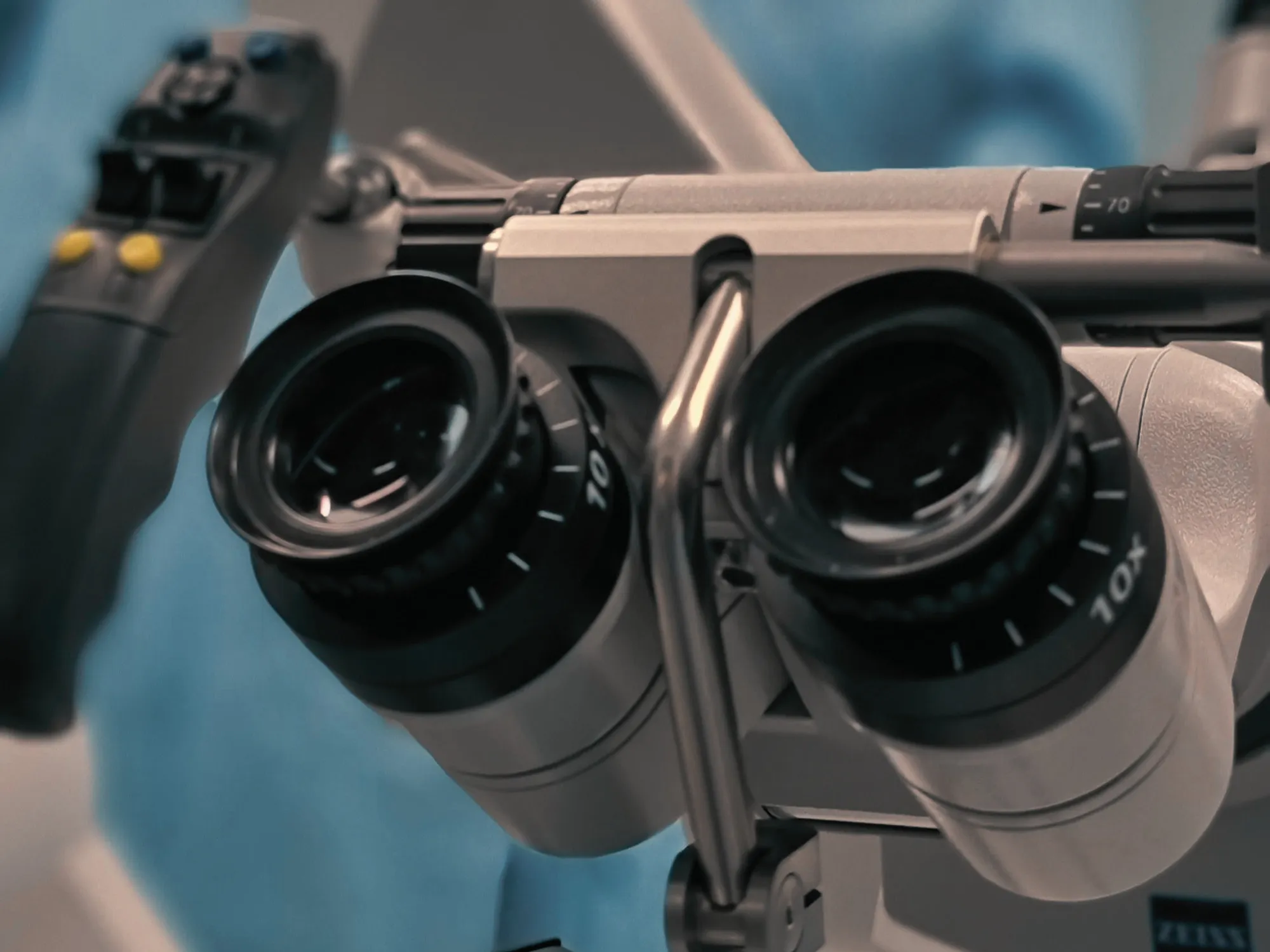
The Importance of Post-Operative Care
The success of spasticity surgery depends heavily on what happens after leaving the operating room. The surgery resets the balance of forces in the arm, but the brain and body must first learn to use this new alignment.
Consistent post-operative splinting and specific rehabilitation are absolutely crucial. Following your procedure, you will be fitted with custom-made orthoses (splints) to protect the surgical corrections. We work closely with specialized therapists who will guide you through a rehabilitation program to achieve excellent long-term results.

Frequently Asked Questions
What exactly is a hyperselective neurectomy (HSN)?
HSN is a precise microsurgical procedure in which we target the terminal motor nerve branches exactly where they enter the spastic muscle. By carefully dividing a portion of these fibers, we permanently reduce muscle tone without causing complete paralysis.
Are the results of surgical spasticity treatment permanent?
Unlike pharmacological treatments such as Botulinum toxin injections, which must be repeated regularly, the reduction in muscle tone achieved through neurectomy, muscle release, or tendon lengthening is generally permanent. In the first year, natural nerve sprouting may cause a slight return of tone, but this is usually very well tolerated.
What are the goals of spasticity surgery?
The goals vary depending on the severity of the condition. In some cases, we aim to unmask hidden voluntary movements and improve active function. For severely impaired extremities, the goal is often to alleviate pain, correct stigmatizing deformities, and facilitate daily hygiene and care.
Why is post-operative splinting necessary?
Surgery alters the mechanical balance of the arm and hand. Custom-made splints (orthoses) hold the newly balanced joints and tendons in the correct position during the healing process. Without specialized post-operative care, there is a high risk of losing the improvements achieved through surgery.